
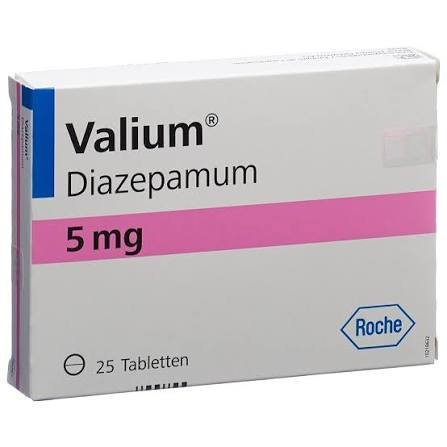
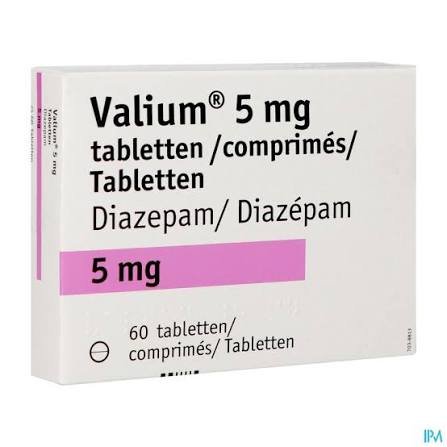
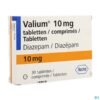
5mg diazepam

Price range: £110.00 through £380.00
Diazepam (commonly known by its brand name Valium) is a powerful, long-acting benzodiazepine widely used in clinical medicine. In the UK, it is classified as a Class C controlled substance (Schedule 4 Part 1). Due to its potential for misuse, physical dependence, and severe health risks, it is strictly available only via a valid prescription from a registered healthcare professional and dispensed by a regulated UK pharmacy.
5mg diazepam
Diazepam (commonly known by its brand name Valium) is a powerful, long-acting benzodiazepine widely used in clinical medicine. In the UK, it is classified as a Class C controlled substance (Schedule 4 Part 1). Due to its potential for misuse, physical dependence, and severe health risks, it is strictly available only via a valid prescription from a registered healthcare professional and dispensed by a regulated UK pharmacy.
Indications & Medical Uses
In UK clinical practice, doctors prescribe diazepam for short-term management of specific medical conditions, including:
-
Severe Anxiety: Short-term treatment (typically 2 to 4 weeks maximum) of acute, disabling anxiety or agitation.
-
Acute Alcohol Withdrawal: Managing symptoms such as tremors, agitation, and delirium tremens.
-
Muscle Spasms: Relieving severe, painful muscle spasms and spasticity caused by neurological conditions.
-
Seizures & Status Epilepticus: Used as an anticonvulsant in emergency situations or as adjunctive therapy.
-
Pre-medication: Sedation prior to surgical or dental procedures.
How Diazepam Works
Diazepam acts on the central nervous system by enhancing the activity of Gamma-Aminobutyric Acid (GABA), the brain’s primary inhibitory neurotransmitter:
-
Calming Effect: By binding to GABA-A receptors, diazepam increases GABA’s inhibitory effects, reducing excessive neuronal activity in the brain.
-
Physiological Response: This helps lower heart rate, ease muscle tension, reduce panic responses, and produce a sedative effect.
Risks, Dependence, and Safety Warnings
Because benzodiazepines alter brain chemistry, long-term or unmonitored use carries serious risks:
| Risk / Precaution | Clinical Context & Management |
| Tolerance & Dependence | Physical and psychological dependence can develop within just a few weeks of continuous use. Therefore, treatment is strictly limited to short durations. |
| Withdrawal Symptoms | Stopping diazepam abruptly after prolonged use can trigger severe withdrawal, including rebound anxiety, insomnia, tremors, seizures, and psychosis. Tapering must always be supervised by a doctor. |
| Central Nervous System Depression | Drowsiness, impaired coordination, slurred speech, and delayed reaction times are common. Consequently, driving or operating heavy machinery while taking diazepam is illegal and unsafe if your abilities are impaired. |
| Alcohol & Drug Interactions | Combining diazepam with alcohol, opioids, or other central nervous system depressants significantly increases the risk of fatal respiratory depression, coma, and overdose. |
UK Prescription Regulations & Safety Advice
-
Illegal Online Purchasing: Buying prescription-only medicines online without a valid consultation from a GMC-registered doctor or through unregulated websites poses severe health and legal risks. Unregulated products may be counterfeit, contaminated, or incorrectly dosed.
-
Legitimate Access: If you are experiencing severe anxiety, panic disorders, or sleep difficulties, consult your GP or an NHS mental health service. They can evaluate your symptoms safely and recommend evidence-based treatments, which may include psychological therapies (such as Cognitive Behavioral Therapy) or appropriate, supervised medications.
| QUANTITY | 300 PILLS, 600 PILLS, 1200 PILLS |
|---|
Be the first to review “5mg diazepam”
Related products
Uncategorized

Uncategorized
Uncategorized
Uncategorized

Uncategorized

Uncategorized

Uncategorized
Uncategorized
Reviews
There are no reviews yet.