
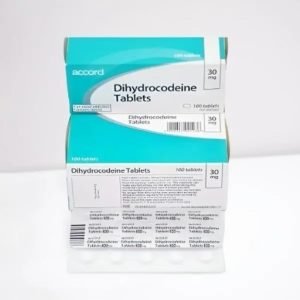
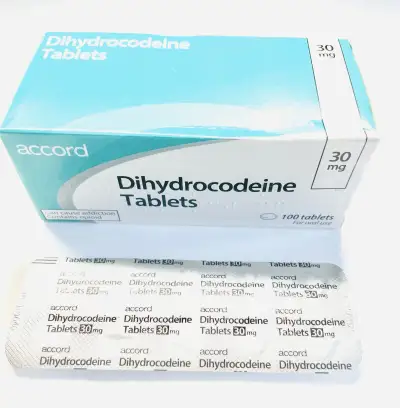
dihydrocodeine 30mg
Price range: £110.00 through £540.00
Dihydrocodeine (DHC) 30mg is an effective Class B controlled opioid used in the UK for moderate to severe pain relief. However, because it carries significant risks of tolerance, dependence, and respiratory depression, careful medical oversight is essential during treatment. Consequently, patients must follow their prescribed treatment plan closely.
Dihydrocodeine 30mg
Dihydrocodeine (DHC) 30mg is an effective Class B controlled opioid used in the UK for moderate to severe pain relief. However, because it carries significant risks of tolerance, dependence, and respiratory depression, careful medical oversight is essential during treatment. Consequently, patients must follow their prescribed treatment plan closely.
Key Usage & Administration Guidelines
-
Standard Dosing: Tablets are typically taken every 4 to 6 hours as directed by a healthcare professional, resulting in a standard maximum limit of 240mg per 24 hours.
-
Consistency: Swallow tablets whole with water, either with or without food. Furthermore, never break or crush sustained-release formulations if prescribed.
-
Duration: Treatment is primarily intended for short-term management. As a result, this helps minimize the long-term risk of physical dependence and tolerance.
Key Side Effects & Management
| Side Effect | Risk Level | Practical Management / Action |
| Constipation | Very Common | Increase dietary fiber and fluid intake; alternatively, discuss a mild laxative with a pharmacist. |
| Nausea / Vomiting | Common | Take tablets with food or milk, which helps settle the stomach. |
| Dizziness / Drowsiness | Common | Rise slowly from sitting or lying positions. Additionally, avoid driving, operating machinery, or consuming alcohol. |
| Breathing Difficulties | Emergency | Seek immediate medical attention by calling 999 in the UK. |
Important Precautions & UK Regulations
-
Prescription Status: DHC is classified as a Schedule 3 controlled drug in the UK; therefore, it is strictly available via a GMC-registered doctor or qualified independent prescriber.
-
Dependence & Withdrawal: Stopping treatment abruptly after prolonged use triggers withdrawal symptoms such as restlessness, sweating, and nausea. Hence, always consult a healthcare professional to establish a gradual tapering schedule.
-
Contraindications: Avoid taking this medication—or proceed with extreme caution—if you suffer from severe asthma, respiratory depression, paralytic ileus, severe liver impairment, or head injuries.
| QUANTITY | 1 BOX, 2 BOXES, 4 BOXES, 3 BOXES |
|---|
Be the first to review “dihydrocodeine 30mg”
Related products
Uncategorized

Uncategorized

Uncategorized

Uncategorized


Uncategorized

Uncategorized
Uncategorized


Uncategorized
Reviews
There are no reviews yet.