
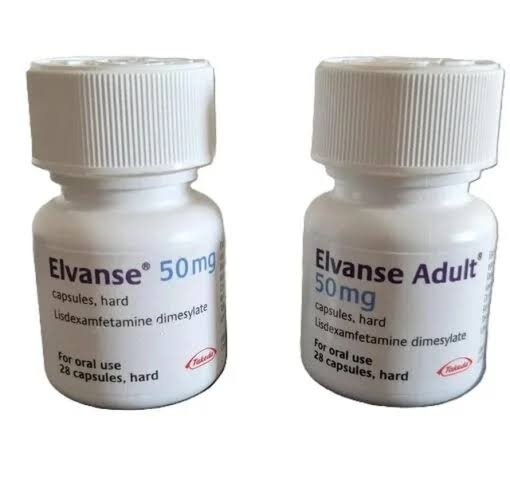
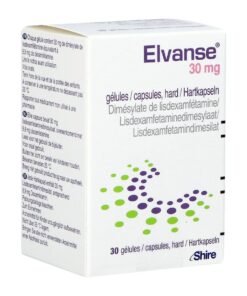
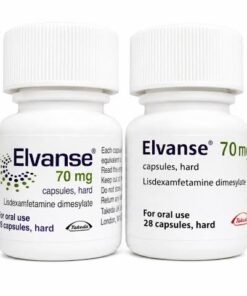
elvanse 50mg
Elvanse (lisdexamfetamine dimesylate) is a central nervous system stimulant widely prescribed in the UK for Attention Deficit Hyperactivity Disorder (ADHD) in children (aged 6 and over), adolescents, and adults. Because it is a prodrug with a sustained mechanism of action, it offers consistent symptom management throughout the day.
In the UK, Elvanse is regulated as a Class B controlled substance (Schedule 2). Consequently, its initiation, titration, and long-term management require specialist medical oversight.
Mechanism of Action: The Prodrug Advantage
Unlike immediate-release stimulants, Elvanse is therapeutically inactive when ingested:
-
Enzymatic Hydrolysis: After oral absorption, red blood cells gradually cleave the amino acid lysine from lisdexamfetamine, converting it into active dextroamphetamine.
-
Neurotransmitter Regulation: Dextroamphetamine increases extracellular concentrations of dopamine and norepinephrine in the prefrontal cortex—key brain areas responsible for executive function, impulse control, and sustained attention.
-
Smooth Profile: Because this conversion process is rate-limited by enzyme capacity, the medication provides a steady release lasting up to 12–14 hours, significantly reducing the likelihood of sharp peak-and-crash cycles or deliberate misuse via non-oral routes.
Expected Clinical Benefits
When used as part of a comprehensive treatment strategy, Elvanse helps regulate core ADHD symptoms:
| Core Area | Clinical Outcome |
| Sustained Attention | Enhanced focus on complex, multi-step tasks at work, school, or home. |
| Impulse Regulation | Reduced emotional volatility, rash decision-making, and verbal interruptions. |
| Hyperactivity Control | Decrease in motor restlessness and persistent mental racing. |
| Executive Function | Improved task initiation, time management, and overall daily productivity. |
Dosing & Monitoring Guidelines
-
Administration: Taken once daily in the morning with or without food. Taking it later in the day increases the risk of sleep disturbance. Capsules can be swallowed whole or opened and mixed thoroughly into yogurt, water, or orange juice for immediate consumption.
-
Titration: Treatment typically starts at a low dose (e.g., 30mg) and is titrated incrementally by a specialist based on therapeutic response and tolerability.
-
Routine Checks: Patients must undergo baseline and periodic health checks, including:
-
Cardiovascular Monitoring: Blood pressure and heart rate.
-
Physical Growth: Height and weight tracking (especially in pediatric patients).
-
Psychiatric Screening: Evaluation for emerging anxiety, mood shifts, or tics.
-
Common Side Effects & Practical Management
| Side Effect | Incidence | Practical Action / Clinical Advice |
| Decreased Appetite / Weight Loss | Very Common | Consume a high-protein, calorie-dense breakfast prior to taking the dose. Schedule regular snacks and meals. |
| Insomnia / Sleep Disturbance | Very Common | Take the dose early in the morning. Practice strict sleep hygiene and minimize evening screen time. |
| Dry Mouth (Xerostomia) | Common | Maintain adequate fluid intake throughout the day; chew sugar-free gum or use lubricating mouth sprays. |
| Irritability / “Rebound” | Common | As the medication wears off in the evening, mild fatigue or mood dips can occur. Consult your specialist if this becomes severe. |
Precautions, Contraindications & UK Regulations
-
Cardiovascular Risks: Elvanse should be avoided or used with extreme caution in individuals with pre-existing structural heart abnormalities, severe hypertension, advanced arteriosclerosis, or cardiovascular disease.
-
Psychiatric Precautions: Inform your specialist if you have a history of psychosis, severe bipolar disorder, or severe depression, as stimulants can occasionally exacerbate these conditions.
-
Controlled Drug Status: In the UK, prescriptions for Elvanse are valid for a maximum of 28 days and cannot be set up as automatic repeat dispensing without regular prescriber review.
-
Holistic Management: Pharmacotherapy achieves optimal long-term outcomes when integrated with non-pharmacological interventions, such as Cognitive Behavioral Therapy (CBT), ADHD coaching, workplace adjustments, and structured lifestyle routines.
| QUANTITY | 1 bottle, 2 bottles, 4 botlles, 5 bottles |
|---|
Be the first to review “elvanse 50mg”
Related products
Uncategorized
Uncategorized
Uncategorized
Uncategorized
Uncategorized
Uncategorized
Uncategorized
Uncategorized
Reviews
There are no reviews yet.