
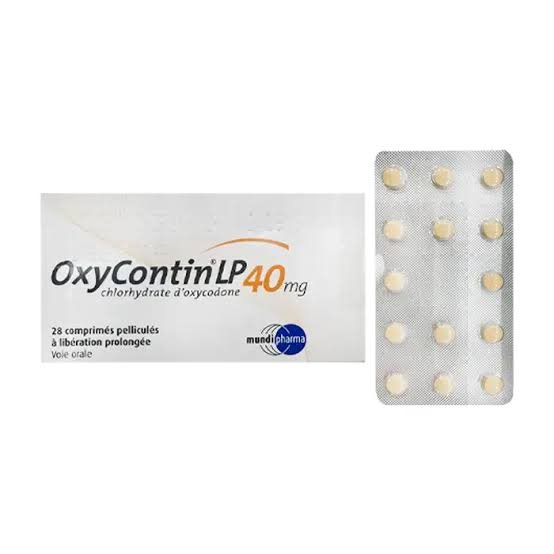
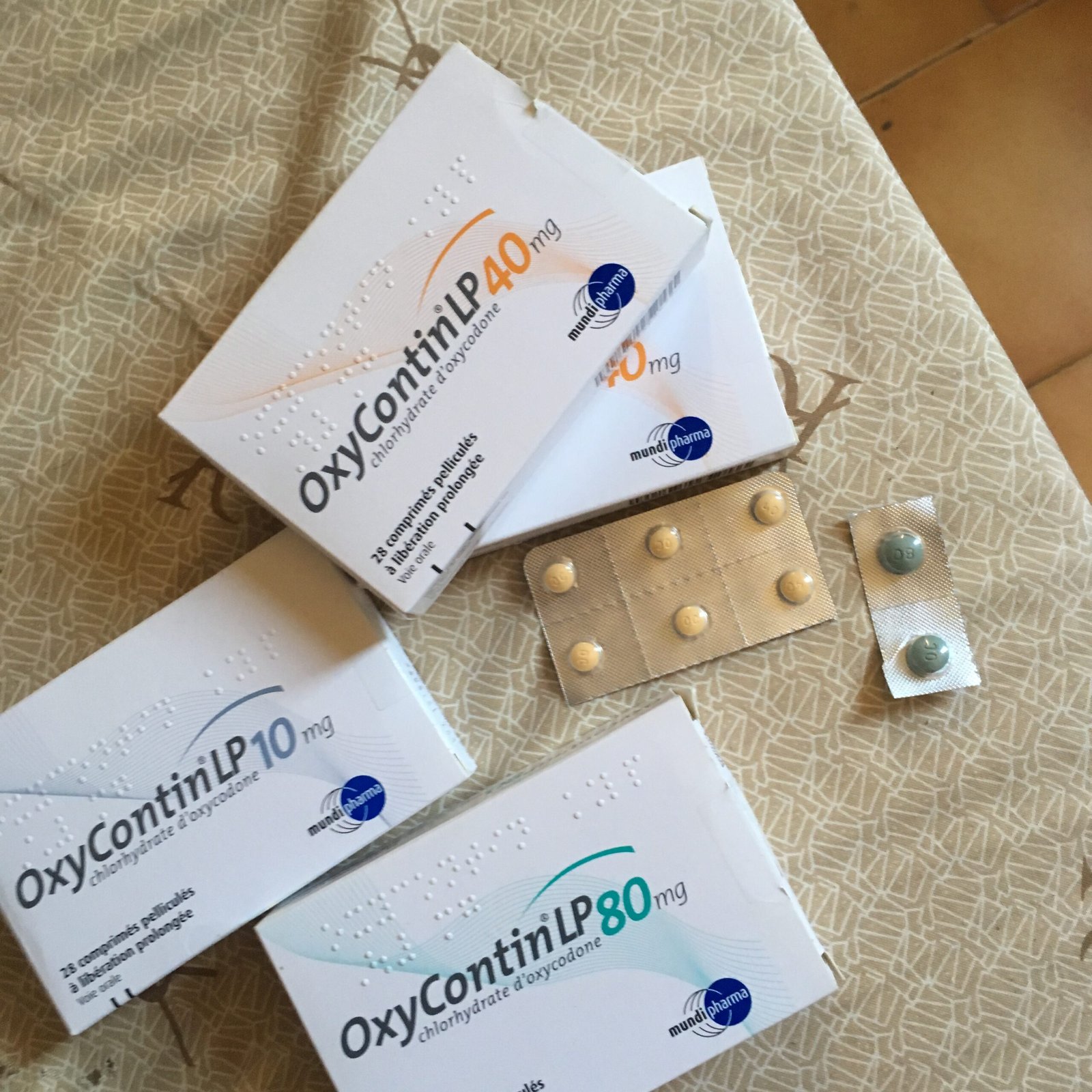


OxyContin (modified-release oxycodone hydrochloride) is a potent, long-acting synthetic opioid analgesic prescribed to manage severe, continuous pain when other pain relief options are ineffective or unmonitored.
In the UK, oxycodone is classified as a Class A controlled drug (Schedule 2) under the Misuse of Drugs Act. Consequently, its prescribing, handling, and supply are subject to strict regulatory oversight to minimize the severe risks of dependence, misuse, and accidental overdose.
Mechanism of Action & Modified-Release Formulation
-
Opioid Receptor Binding: Oxycodone works by attaching to mu-opioid receptors in the central nervous system, blocking pain transmission signals and altering the emotional perception of pain.
-
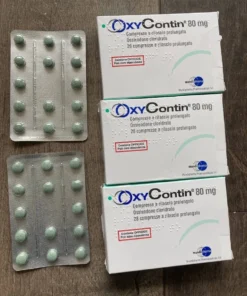
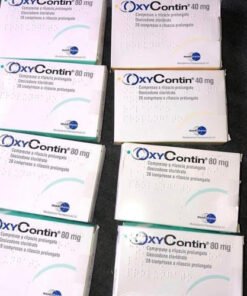
12-Hour Controlled Delivery: OxyContin 40mg tablets are specifically engineered to release the active drug gradually over a 12-hour period.
-
Crucial Handling Rule: Tablets must always be swallowed whole. Crushing, breaking, chewing, or dissolving extended-release tablets destroys the time-release mechanism, leading to rapid absorption of a potentially lethal dose (“dose dumping”).
Key Clinical Indications & Guidelines
OxyContin is indicated for severe chronic or post-operative pain requiring round-the-clock opioid analgesia:
-
Shortest Duration: Prescribers aim to use the lowest effective dose for the briefest duration necessary.
-
Routine Reviews: Patients on long-term therapy require regular clinical monitoring to assess pain control, side effects, and signs of tolerance or physical dependence.
Common Side Effects & Management Strategies
| Side Effect | Clinical Context | Practical Action / Management |
| Opioid-Induced Constipation | Very Common (does not wane over time) | Maintain high daily fluid intake and dietary fiber. Pharmacists frequently recommend co-prescribing a stimulant or osmotic laxative. |
| Nausea / Vomiting | Common (often settles after initial days) | Take doses with meals. Antiemetic medications may be prescribed during treatment initiation if nausea is severe. |
| Drowsiness & Dizziness | Common | Avoid driving, operating machinery, or performing hazardous tasks. Rise slowly from sitting or lying positions. |
| Respiratory Depression | Emergency Risk | Call emergency services immediately (999 in the UK) if the person experiences dangerously slow/shallow breathing, extreme confusion, or cannot be woken. |
Major Safety Warnings & Interactions
-
Lethal Interaction with Depressants: Concomitant use of oxycodone with alcohol, benzodiazepines (e.g., diazepam, alprazolam), or other sedating medications significantly amplifies central nervous system depression, leading to profound sedation, respiratory arrest, coma, or death.
-
Pregnancy & Neonatal Abstinence Syndrome (NAS): Prolonged use during pregnancy can cause physical dependence in the fetus, resulting in life-threatening withdrawal symptoms in the newborn after birth (e.g., severe crying, hypertonia, vomiting, poor feeding).
-
Dependence & Gradual Tapering: Discontinuing OxyContin abruptly after prolonged use triggers severe withdrawal symptoms (restlessness, lacrimation, rhinorrhea, muscle cramps, severe anxiety). Cessation must always follow a physician-directed tapering schedule.
Illegal Purchasing Dangers & UK Regulations
-
Counterfeit & Unregulated Supply: Attempting to buy “OxyContin 40mg” online without a legitimate prescription carries extreme health and legal risks. Illicitly sourced pills are frequently counterfeit and may contain lethal concentrations of synthetic opioids such as nitazenes or fentanyl.
-
Legal Status: Possession or supply of a Class A controlled drug without a valid prescription from a GMC-registered practitioner is illegal under UK law.
-
Legitimate Care: If you are managing severe pain, consult your GP or an NHS pain specialist to formulate a safe, comprehensive management plan.
| QUANTITY | 1 BOX, 2 BOXES, 4 BOXES |
|---|
Be the first to review “oxycontin 40mg”
Related products
Uncategorized
Uncategorized
Uncategorized
Uncategorized
Uncategorized
Uncategorized
Uncategorized
Uncategorized
Reviews
There are no reviews yet.